
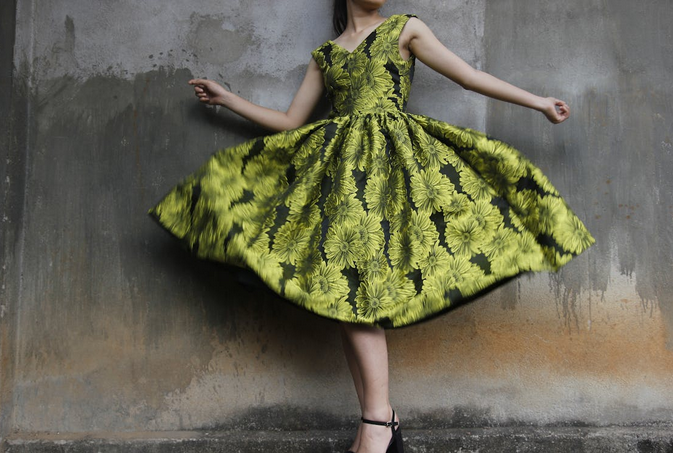
Certain garments become strongly associated with particular generations because clothing often reflects the cultural environment in which people grow up. A jacket, shoe style, uniform, or particular type of denim can become connected with the music, social movements, entertainment, and everyday experiences of a specific period. As large groups of people adopt similar styles, those garments become recognizable markers of their time. Their significance can continue long after the original trend has faded because the clothing becomes associated with memories, cultural changes, and the identity of the generation that popularized it.
How Culture Gives Clothing Meaning
Garments rarely become generational symbols because of their physical design alone. Their meaning develops through the cultural circumstances surrounding them. Music scenes, films, youth movements, sports, and social changes can all influence how particular clothing is perceived. When a garment repeatedly appears within an important cultural setting, it can become associated with the values and attitudes of that period. The clothing then represents more than appearance because it becomes connected to the wider environment in which people experienced it.
The Role of Music and Entertainment
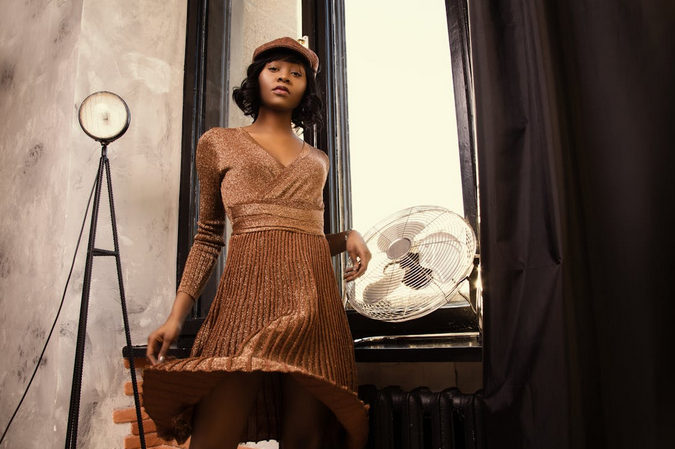
Musicians, actors, and other public figures can have a major influence on the clothing choices of their audiences. When a particular garment becomes closely associated with a successful performer or widely viewed film, it can quickly gain visibility among younger audiences. Repeated exposure can turn an ordinary item into a recognizable symbol of a particular era. Over time, people may remember the garment not simply as a fashion choice but as part of the visual identity associated with the music and entertainment of their youth.
Why Youth Communities Create Strong Associations
Young people often use clothing to express a sense of belonging and distinguish themselves from other social groups. Shared garments can communicate connections to particular music genres, subcultures, sports, or communities. When enough people adopt the same style, the clothing can become strongly connected with that generation’s social experiences. These associations can remain powerful because clothing is visible in photographs, school memories, concerts, and everyday life, creating a lasting connection between garments and formative periods.
How Media Preserves Generational Fashion

Photographs, television programs, films, advertisements, and digital archives help preserve the appearance of past generations. A once-common garment can become recognizable decades later because it repeatedly appears in images from a particular period. Media, therefore, help transform temporary fashion into historical visual references. When later generations encounter these garments through archived cultural material, they may immediately associate them with a specific decade or social environment.
Certain garments become symbols of particular generations because clothing is closely connected to cultural experiences, entertainment, community identity, and collective memory. Music and media can give ordinary garments wider recognition, while youth communities can transform them into markers of belonging. Photographs and popular culture preserve these associations, allowing later generations to recognize clothing as part of a specific historical period. When older styles return, their meanings may change, but their connection to the generation that originally popularized them often remains. Fashion therefore provides a visible record of how generations express and remember their cultural experiences.